Red Wolves: America’s Forgotten Predator
Category: Endangered Species | June 7, 2025
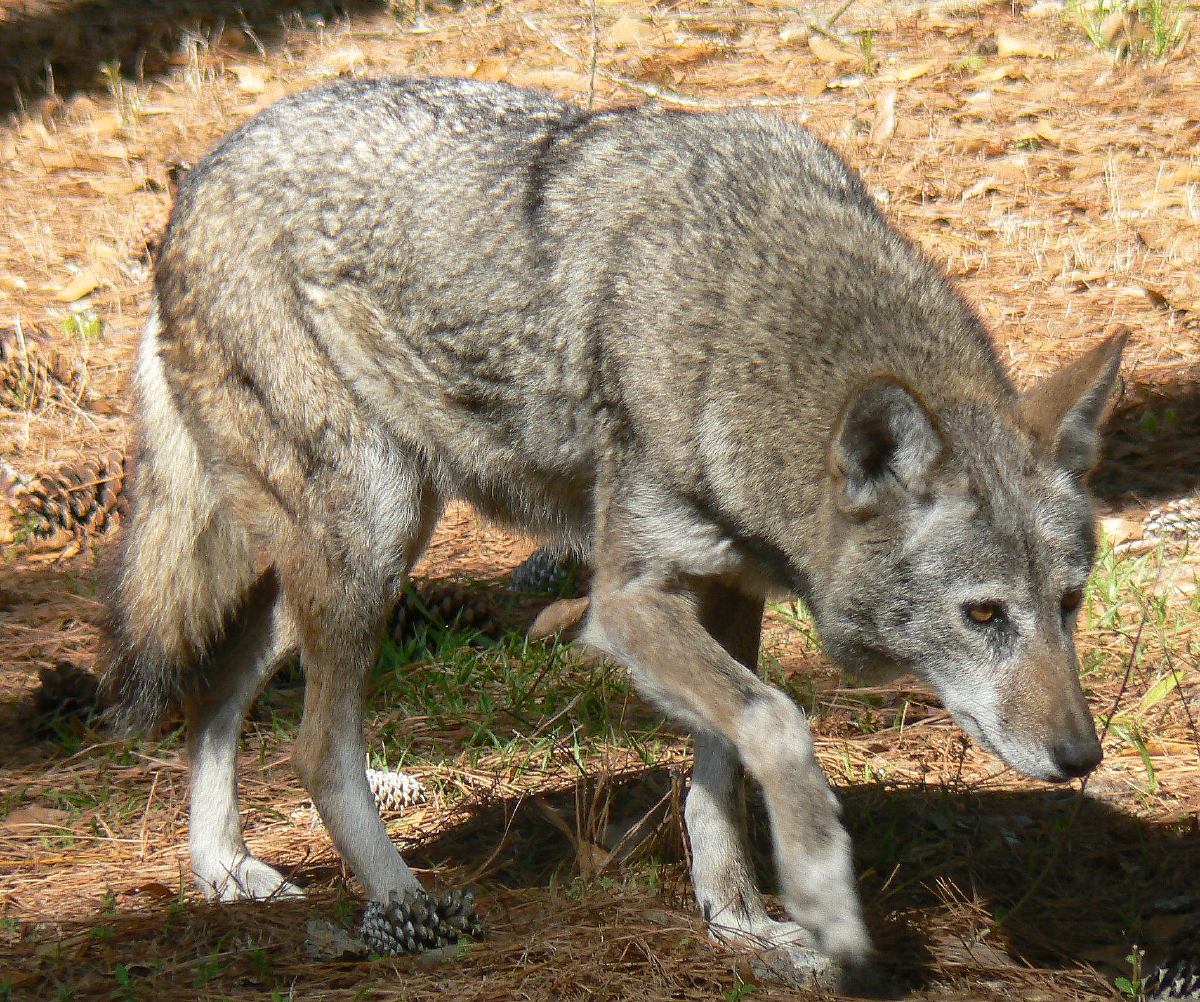
The red wolf is a ghost of the American wilderness, an elusive predator that once thrived in the forests and swamps of the Southeast. Now, it has dwindled to just a few individuals struggling to survive. With fur colored in shades of rust and amber, and a size between that of a coyote and a gray wolf, the red wolf (Canis rufus) stands out. However, few people have ever seen one in the wild, and even fewer recognize how close this uniquely American species has come to disappearing forever.
By the mid-20th century, red wolves were nearly wiped out due to habitat loss, aggressive predator control programs, and interbreeding with coyotes, which blurred the genetic line between the two. In 1980, the species was declared extinct in the wild. Only a small group of purebred individuals had been captured and placed in captivity just in time. From that remnant, a federal breeding program started, one of the first of its kind for a large carnivore.
In 1987, red wolves were reintroduced into the wild at the Alligator River National Wildlife Refuge in eastern North Carolina. Initially, the effort seemed like a rare success in conservation. The wolves established packs, reproduced, and began to reclaim a small part of their former territory. However, politics, poaching, and a drop in public support gradually undermined this progress. Legal protections were weakened, and misidentification with coyotes led to fatal shootings. At one point, the wild population fell to fewer than 20 individuals, making the red wolf one of the most endangered canids on Earth.
Despite these challenges, the species continues to survive. Dedicated wildlife biologists are carrying out captive breeding efforts, monitoring wild packs, and pushing for stronger protections. Conservationists are working to spark public interest in the red wolf, highlighting its ecological role as a top predator and its symbolic place in America's natural heritage. Each howl that still echoes through the Carolina dusk is a powerful reminder of survival against overwhelming odds.
The red wolf’s story is not finished, but its future is precarious. Whether it fades into memory or returns to the wild with strength will depend not on biology, but on will—the collective choice to remember, respect, and fight for one of America's most endangered voices.
🌴 Jungle Chatter
Most popular reactions:
No reactions yet.