Why Frogs Croak: Communication in Wetlands
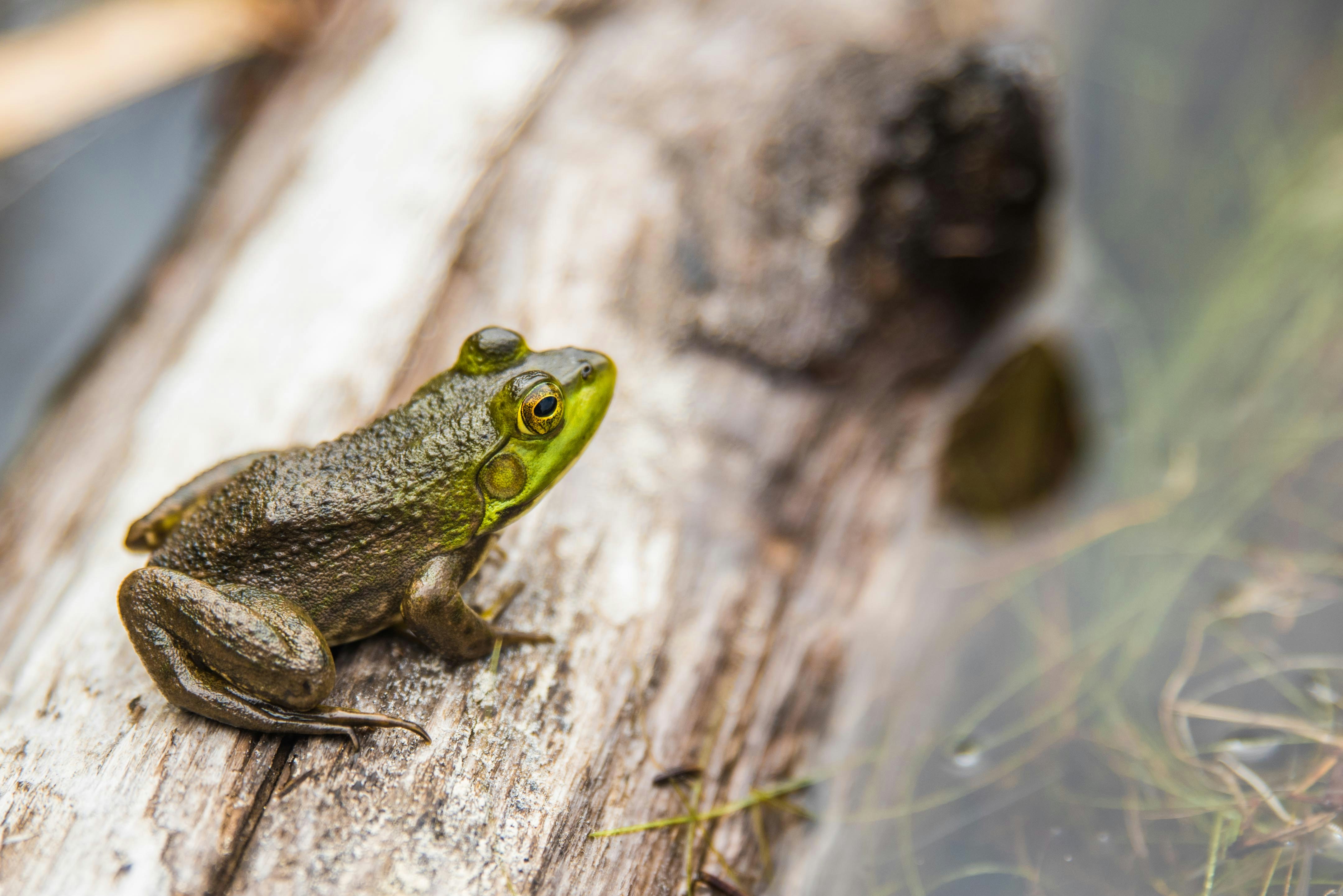
Category: Amphibians | June 7, 2025
Frog calls are among the most recognizable sounds in nature, especially after it rains or during warm, humid nights. These croaks, chirps, trills, and whistles are not just noise; they serve as an important way for frogs to communicate, crucial for survival and reproduction. For most frogs, croaking signals, “I’m here, and I’m ready.” Males do most of the vocalizing to show their presence and fitness to nearby females during breeding season. Each species has a unique call, which helps frogs identify their own kind, even in crowded wetlands.
A male's croak is not merely a mating call; it also serves as a territorial warning. By calling out loudly, a frog indicates that a pond or puddle is already claimed. If another male intrudes, it may lead to vocal contests or even physical fights. The volume and complexity of the call often reflect the frog's health, size, and stamina. Louder and more frequent calls can attract more mates, but they also raise the risk of being eaten, making this call a risky move.
Environmental factors like humidity, temperature, and rainfall greatly affect frog vocal activity. Rain creates temporary pools that are perfect for laying eggs, triggering a chorus of hopeful males. Wetlands, swamps, and forest floors turn into stages filled with amphibian sounds, with each species adding its unique song to the night air. This natural chorus also serves important environmental roles—frogs calling together can confuse predators, deter rivals, and help scientists keep track of frog populations and ecosystem health.
Frog communication is a long-standing and beautiful behavior closely connected to their aquatic habitats. So the next time you hear a frog croaking at night, remember that you are witnessing one of the oldest conversations in the animal kingdom—a call of life, love, and territory echoing through the wetlands.
🌴 Jungle Chatter
Most popular reactions:
No reactions yet.