Amur-leopards-rarest-big-cats
Category: Endangered Species | June 17, 2025
Among the world’s big cats, none are rarer or more endangered than the Amur leopard. Native to the temperate forests of the Russian Far East and parts of northeastern China, these solitary and stealthy predators can survive in harsh, snowy environments. Once found across vast areas of Northeast Asia, their wild population now has fewer than 100 individuals, making them critically endangered and one of the most threatened feline species on Earth.
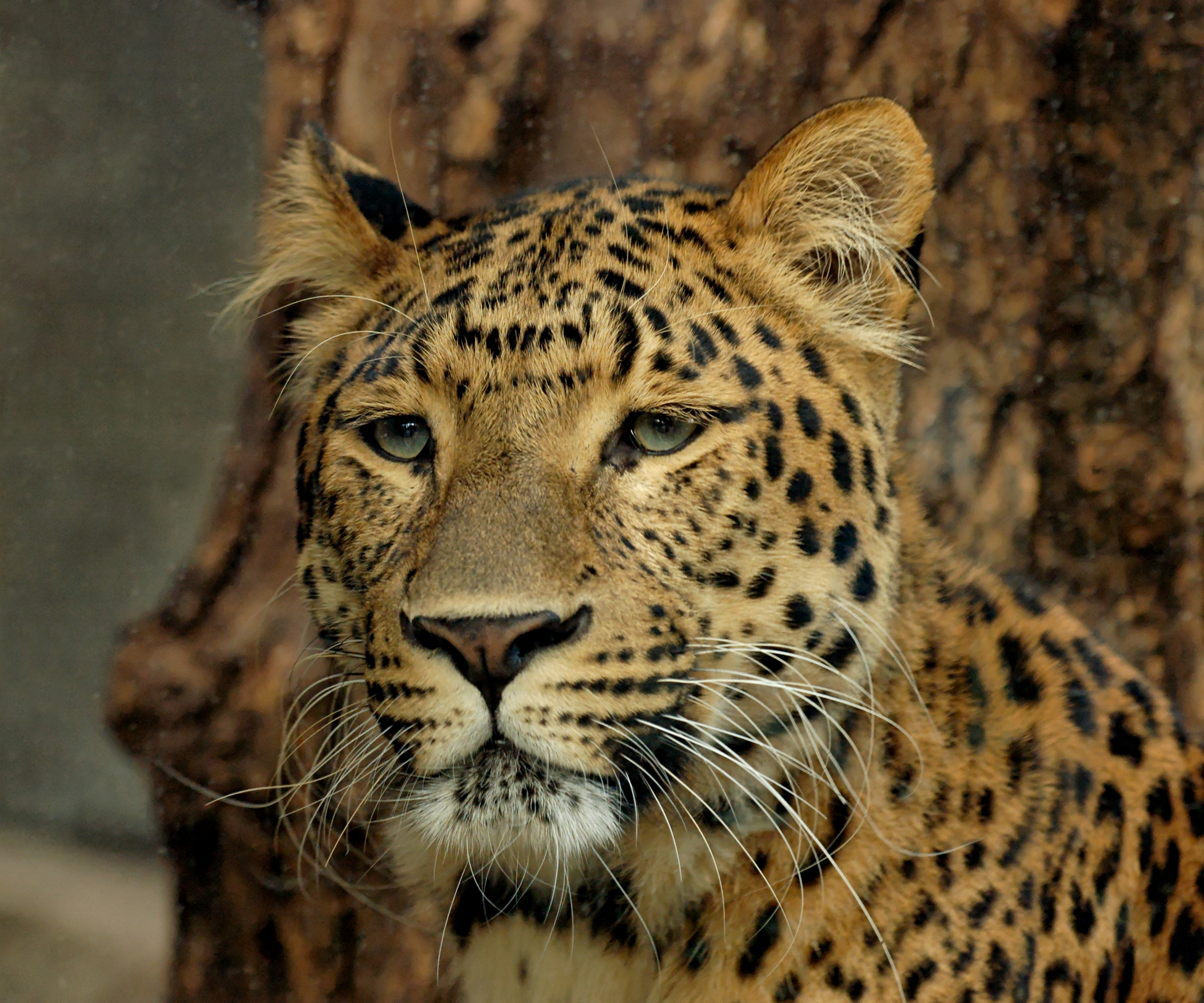
Amur leopards (Panthera pardus orientalis) are a subspecies of leopard, but unlike their African relatives, they have long, thick fur—up to 7 centimeters in winter—to withstand sub-zero temperatures. Their coats are beautifully patterned with widely spaced rosettes and pale underbellies, providing excellent camouflage among the birch and pine forests they inhabit.
Their extreme rarity stems from decades of habitat loss, poaching, and inbreeding. Logging, road building, and agricultural development have broken up their already limited habitat. Poachers target them for their stunning pelts, while illegal hunting reduces their prey and further threatens their survival. With such a small population, genetic diversity is a significant concern, increasing the risk of disease and reproductive issues.
Despite these challenges, conservation efforts have made slow progress. The Land of the Leopard National Park, created in Russia in 2012, provides a protected habitat and conducts anti-poaching patrols. Captive breeding programs and international partnerships also aim to protect the gene pool and raise awareness.
Amur leopards are top predators in their ecosystem, primarily feeding on roe deer, sika deer, and hares. They are incredibly agile, able to leap over 3 meters horizontally and 10 feet vertically. Solitary and elusive, they mark large territories and are mostly active at night.
These big cats are not just rare; they symbolize how close a species can come to disappearing and how focused human efforts can help bring it back from the edge. Saving the Amur leopard is about more than protecting a captivating feline; it’s about preserving biodiversity, restoring ecosystems, and showing that extinction does not have to be inevitable.
🌴 Jungle Chatter
Most popular reactions:
No reactions yet.