Desert Lizards and Their Survival Tricks
Category: Reptiles | June 14, 2025
Desert lizards are true survivors. They endure extreme temperatures, limited water, and sandy terrain using remarkable biological tricks. These reptiles have evolved to not just survive but to thrive where few others can.
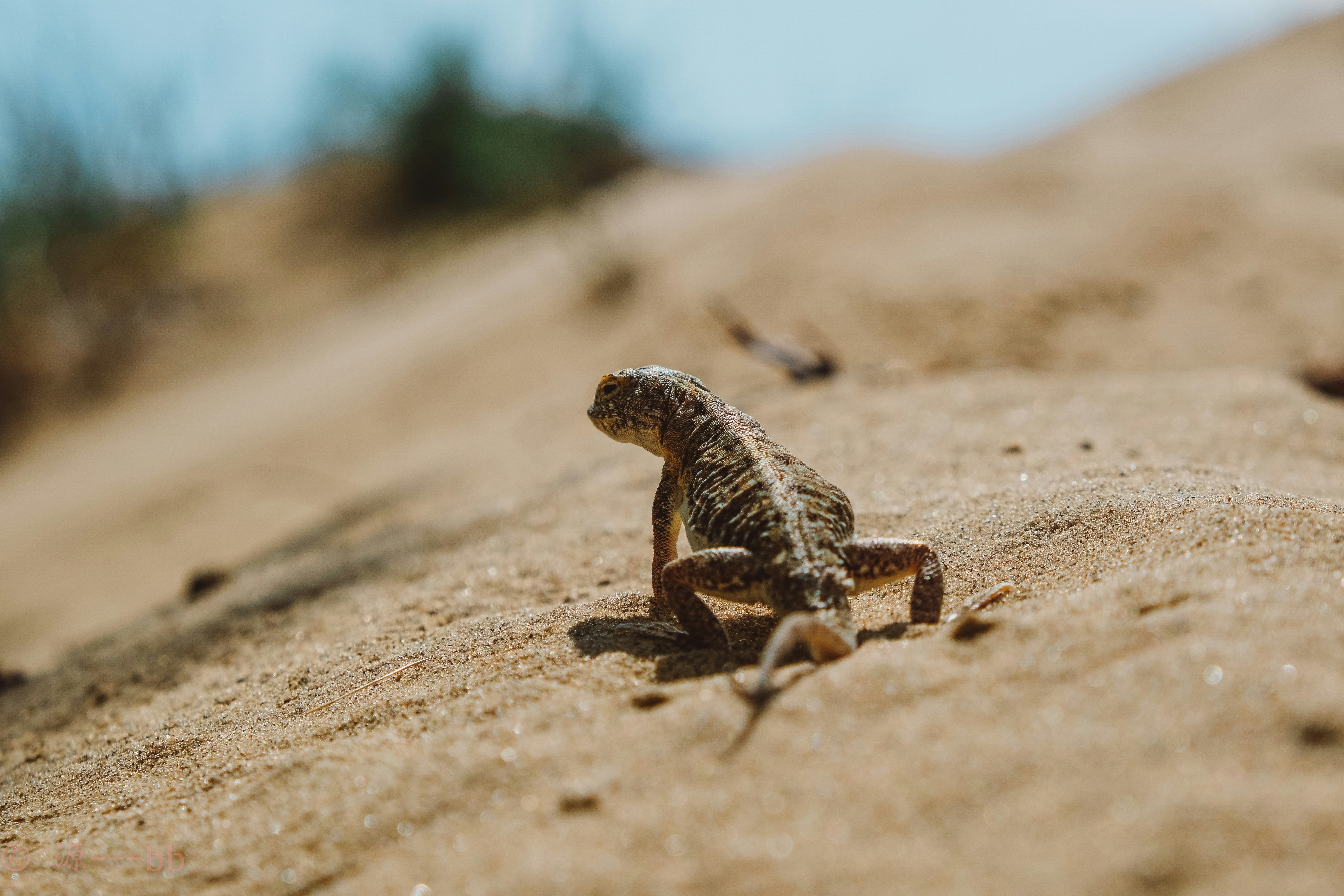
One impressive adaptation is thermoregulation. Desert lizards, like the fringe-toed lizard, manage their body temperature by moving between sun and shade throughout the day. Some species even stand tall on alternating legs to minimize contact with the hot sand, a behavior called “thermal dancing.”
Camouflage is another essential tool. Many desert lizards blend in with their sandy or rocky surroundings. Their muted, earth-toned scales help them escape predators and get close to prey. Some can even change their color slightly to match the lighting conditions better.
Water conservation is crucial. Lizards like the thorny devil from Australia have skin that directs dew and rain straight to their mouths through tiny grooves. Others take in moisture through specialized scales or depend only on the water content in their insect prey.
Feeding adaptations also matter. Many desert lizards eat whatever insects, plants, or small animals they can find. Their slow metabolism allows them to stretch their limited food resources over time.
To avoid the harsh desert heat, some species are crepuscular, being active at dawn and dusk, or even nocturnal. Others burrow into the sand during the day and come out only when it’s cooler. These behavioral changes significantly lower their chances of overheating or dehydrating.
🌴 Jungle Chatter
Most popular reactions:
No reactions yet.