How Sharks Detect Prey from Miles Away
Category: Aquatic Life | June 16, 2025
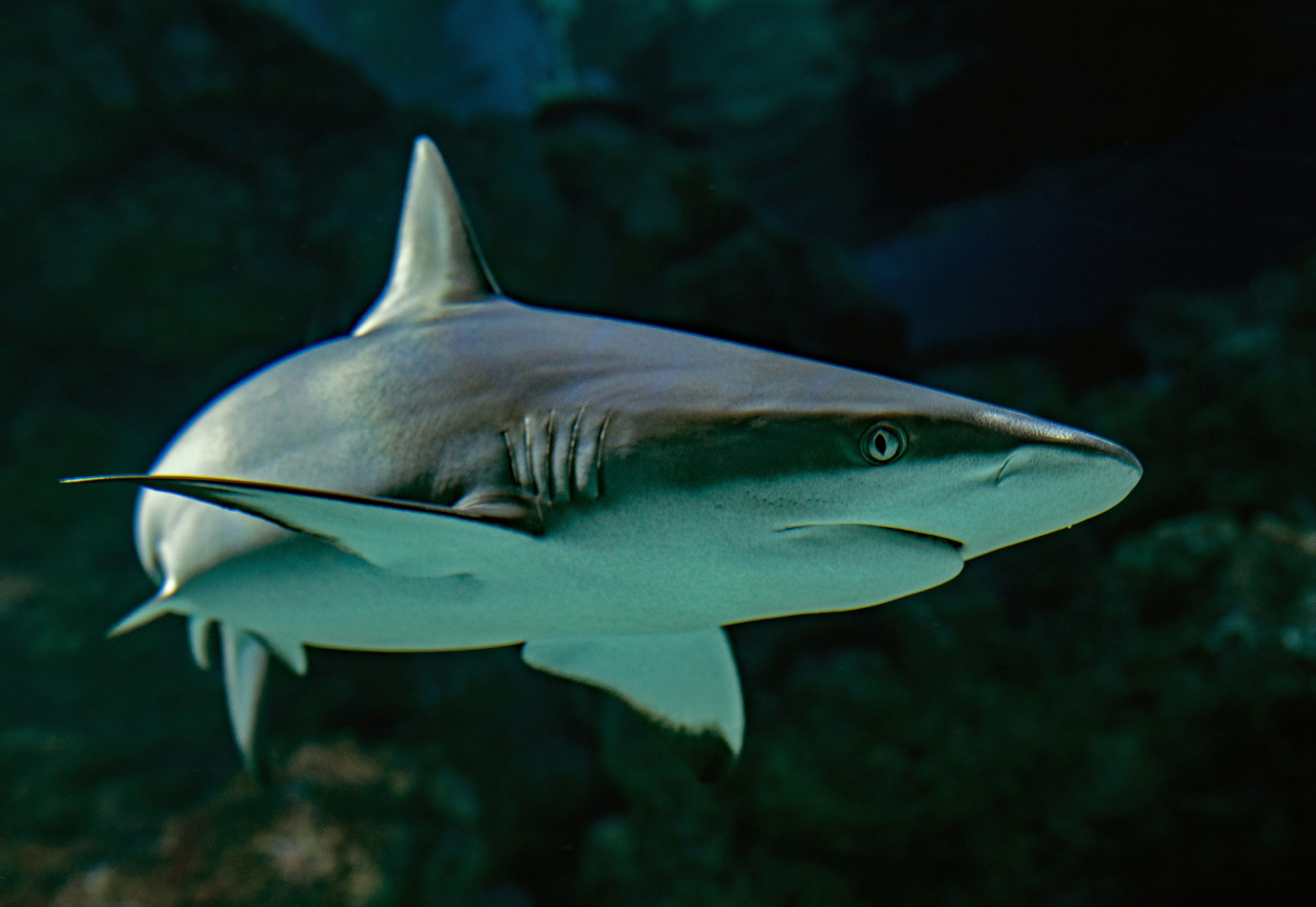
Sharks are among the ocean's toughest hunters. Their ability to find prey from miles away is remarkable. What makes these marine predators so successful isn’t just their strength; it’s the impressive set of biological tools they have developed to detect even the faintest signs of life over long distances.
One of their best-known skills is their sharp sense of smell. Some shark species can sense a single drop of blood in an Olympic-sized swimming pool. Their nostrils, located on the underside of their snouts, are designed for tracking scents, allowing them to follow scent trails through currents to a distant source.
But smell is only part of their abilities.
Sharks also have a strong lateral line system that detects vibrations and movement in the water. This system runs along their bodies and helps them sense the flapping of an injured fish or the quick dart of potential prey, even in complete darkness.
Perhaps the most interesting tool they have is electroreception—the ability to sense the electric fields created by living beings. Using special organs called the ampullae of Lorenzini, sharks can pick up tiny electrical signals produced by the heartbeat or muscle movements of animals buried in sand or hidden in murky water.
Some sharks, like the hammerhead, have developed better electroreceptors, which allow them to scan a wider area and hunt bottom-dwelling creatures more accurately.
In open ocean areas where it’s hard to see, these senses work together to help sharks target their prey from great distances, often before the prey even realizes there is danger nearby.
This sensory skill is what makes sharks such effective hunters and demonstrates millions of years of evolution. Understanding how sharks locate prey not only shows how they survive but also gives us a glimpse into one of nature’s most finely tuned tracking systems.
🌴 Jungle Chatter
Most popular reactions:
No reactions yet.