Jellyfish: Life Without Brains or Bones
Category: Aquatic Life | June 16, 2025
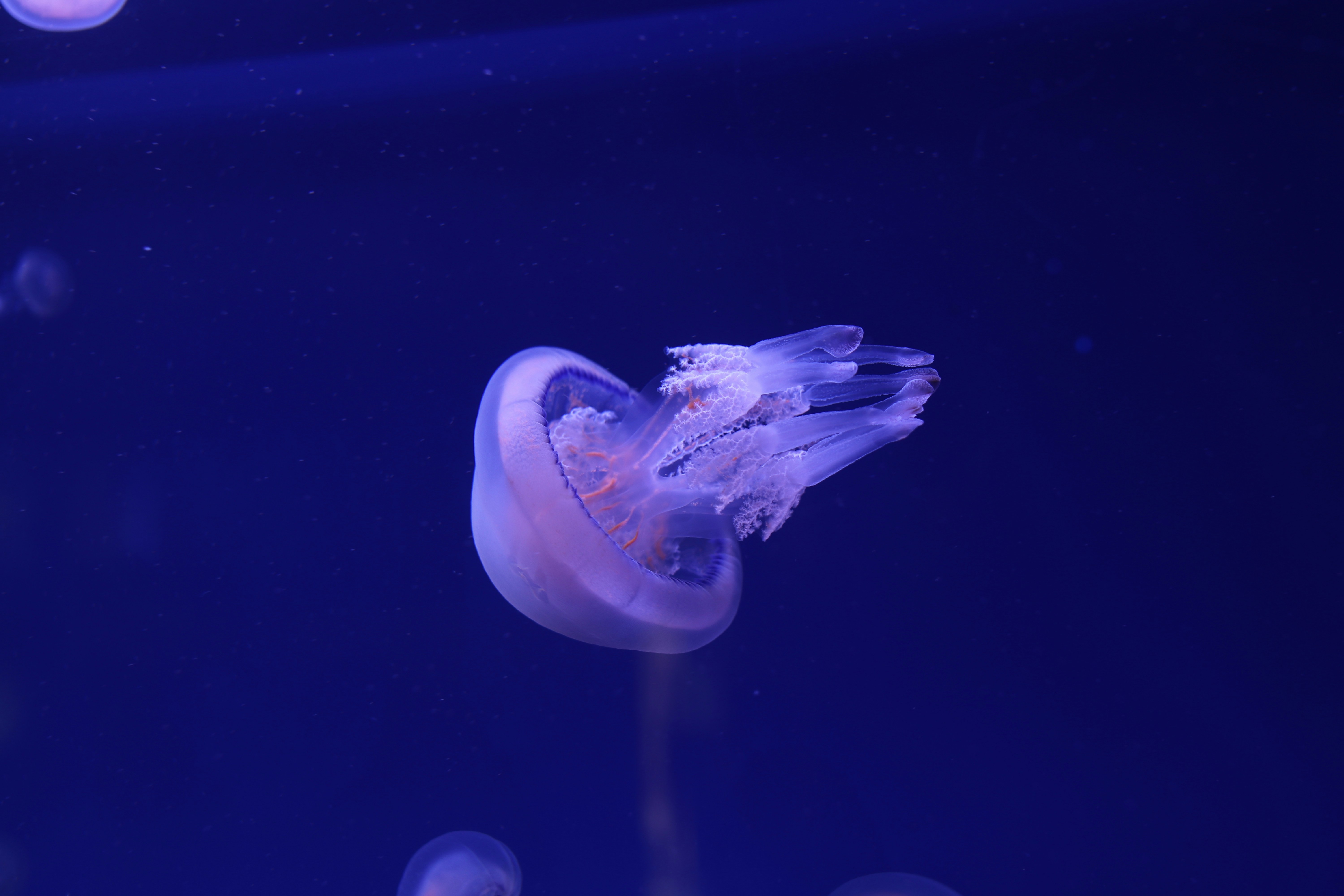
Jellyfish are some of nature’s strangest wonders. They are graceful, ghostly creatures that move through the seas without bones, a brain, or a heart. Despite this simplicity, they have thrived for over half a billion years, making them one of the oldest living groups on Earth.
Instead of brains, jellyfish have a network of nerves called a "nerve net" that helps them sense their surroundings and move. This system allows them to detect light, vibrations, and prey in the water. It triggers their characteristic pulsing motion and activates their stinging cells, known as cnidocytes.
Their bodies are made up of about 95% water and have three main layers: an outer layer called the epidermis, an inner layer called the gastrodermis, and a jelly-like middle layer called mesoglea. Despite their delicate structure, some jellyfish are quite resilient and can survive in shallow coastal waters as well as the deep ocean.
Their distinctive sting comes from tentacles lined with tiny harpoons that fire when they make contact. While most stings are harmless to humans, a few species, such as the box jellyfish, can be deadly.
One of the most fascinating discoveries is Turritopsis dohrnii, often known as the “immortal jellyfish.” This species can revert its cells to an earlier life stage, allowing it to potentially restart its life cycle indefinitely under the right conditions.
Jellyfish may appear alien, but they play important roles in marine ecosystems by feeding predators, competing with fish, and sometimes causing large blooms that disrupt fisheries.
Their existence challenges our ideas about what life needs to survive. They show that even creatures without brains can navigate the world in surprising and effective ways.
🌴 Jungle Chatter
Most popular reactions:
No reactions yet.