Mosquitoes: Tiny Insects, Big Impact
Category: Insects | June 16, 2025
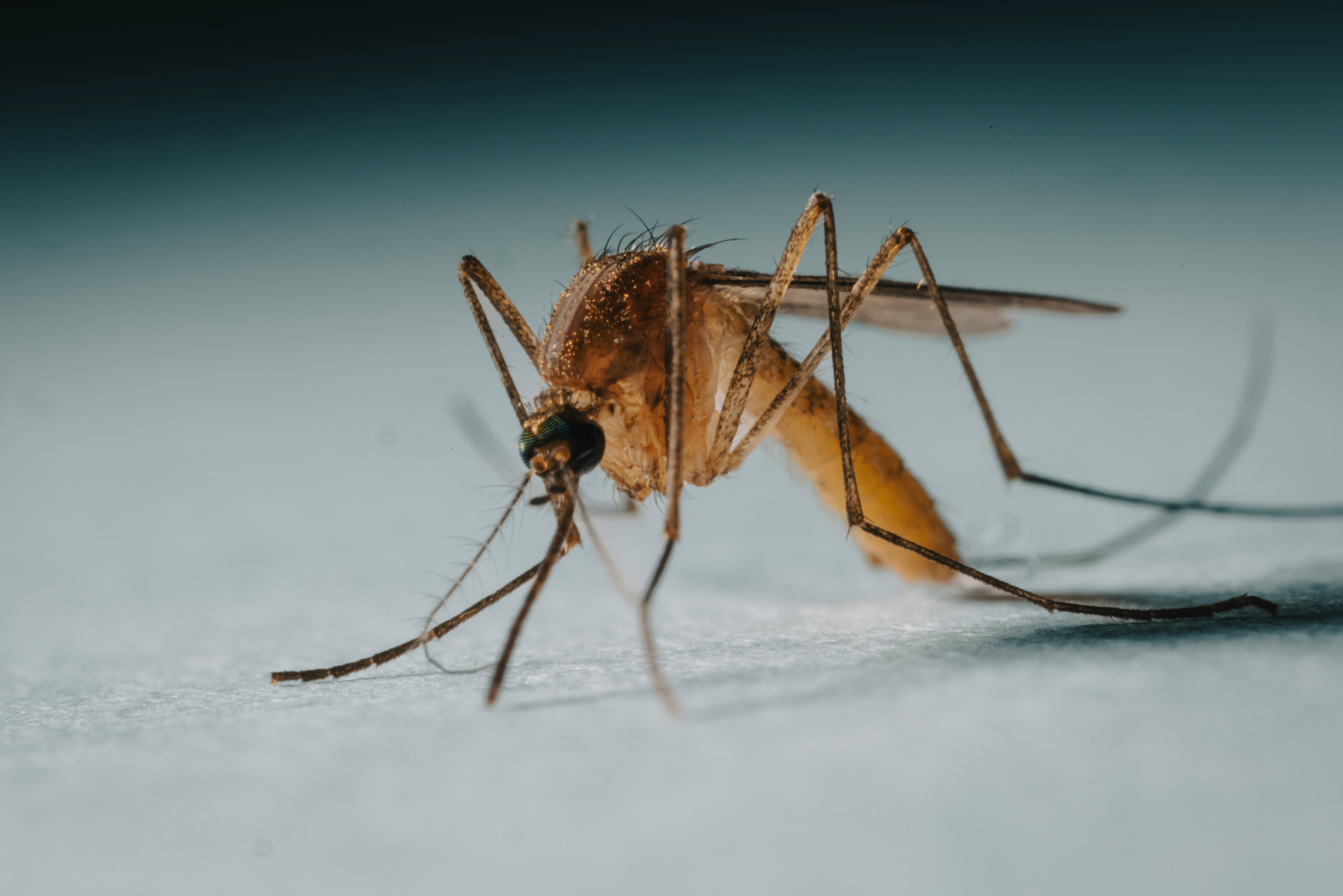
Few insects cause as much annoyance or fear as the mosquito. Their high-pitched whine and itchy bites are more than just irritations. Despite their small size, they have a significant impact on nature, human health, and global history.
**Nature’s Pollinators and Prey**
Though mosquitoes are best known for feeding on blood, most actually consume nectar. In this way, they aid in pollinating certain plants, which helps maintain the balance of local ecosystems. Mosquitoes and their larvae also serve as an important food source for fish, birds, bats, and other insects.
**Vectors of Disease**
Mosquitoes rank as the deadliest animals on Earth, not because of their bite, but due to the diseases they spread. Malaria, dengue, Zika virus, yellow fever, and West Nile virus are just a few of the illnesses carried by these flying pests. Malaria alone takes more than 600,000 lives each year, mainly in tropical areas.
**A Global Influence**
The effect of mosquitoes on human history is significant. Some historians claim that mosquitoes have influenced wars, colonization, and the rise of entire civilizations. Regions affected by mosquito-borne diseases often fall behind in infrastructure and economic growth because of the burden of illness.
**Adaptability and Resilience**
Mosquitoes can thrive in a wide range of environments, from urban gutters to puddles in rainforests. Their ability to breed quickly and take advantage of standing water gives them a reproductive edge. Some species have even become resistant to common pesticides, which complicates global control efforts.
**Not All Mosquitoes Bite**
Interestingly, only female mosquitoes bite. They need protein to develop their eggs. Males, on the other hand, lead peaceful lives by feeding on nectar and avoiding blood altogether.
**Battling the Bite**
For decades, scientists and governments have worked to reduce mosquito populations. Approaches include insecticide-treated bed nets, controlling larval habitats, genetic modification, and releasing sterile males. However, mosquitoes continue to be a tough challenge—adaptable, widespread, and relentless.
**Living With Mosquitoes**
As climate change and globalization expand mosquito ranges, diseases that were once localized are emerging in new regions. Understanding mosquitoes, their biology, behavior, and role in ecosystems is more crucial than ever.
They may be small, but their impact reaches across continents, centuries, and species.
🌴 Jungle Chatter
Most popular reactions:
No reactions yet.