Peacocks and the Power of Display
Category: Birds | June 14, 2025
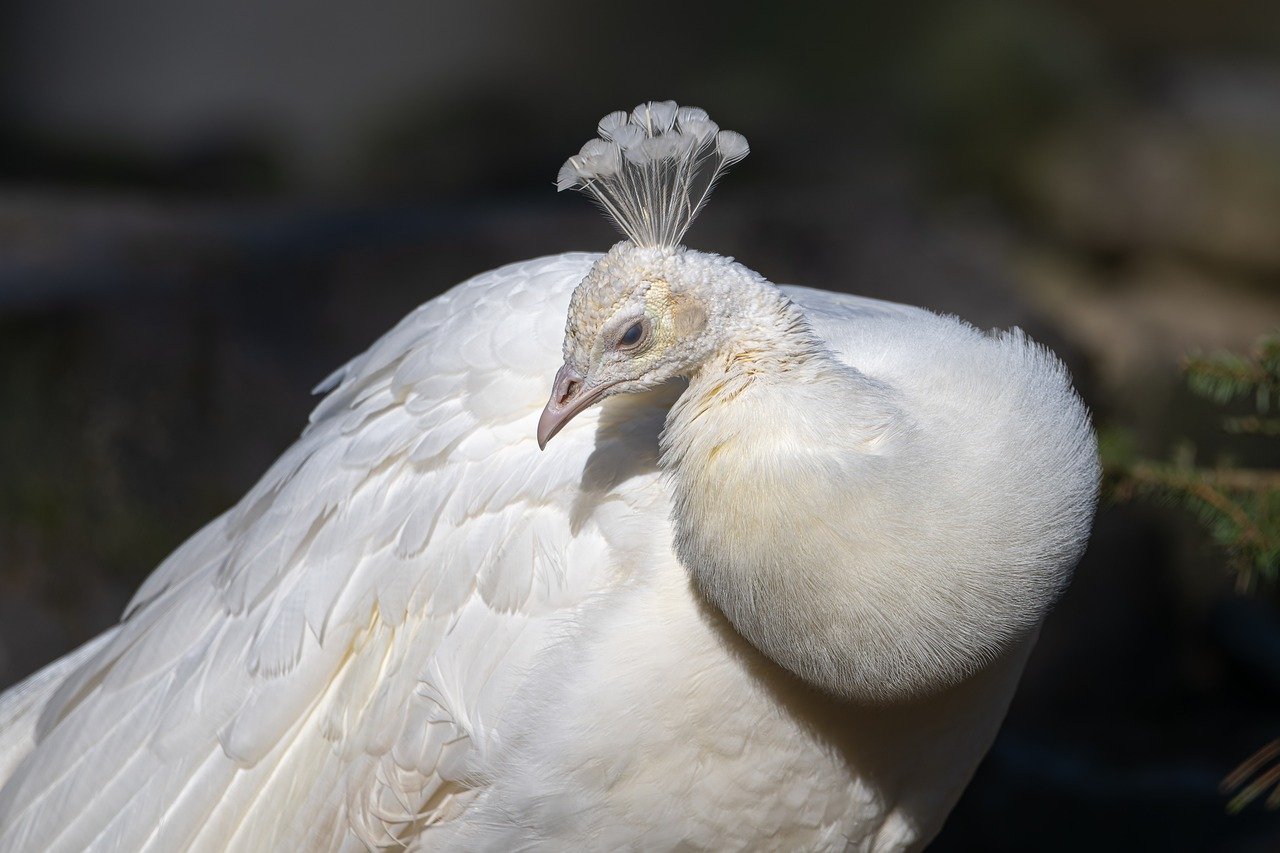
Peacocks are nature’s showstoppers. With shimmering tail feathers that spread out like jeweled tapestries, the male Indian Peafowl has captivated people for centuries. However, beyond their visual splendor lies an interesting story of evolution, beauty, selection, and communication.
The iconic “train” of the peacock isn’t just for decoration. It’s a powerful tool in the competition for mates. Made up of over 200 long upper tail feathers adorned with iridescent “eye spots,” the train can stretch over 6 feet long. During mating season, the male fans his feathers into a wide arc, shakes them to produce a hypnotic shimmer, and emits low-frequency sounds to attract nearby females.
The females, known as peahens, observe these displays closely. Scientists believe that peahens choose mates based on the symmetry, brightness, and density of the eye spots. The display is not just about looks. It indicates health, vitality, and strong genetics. A vibrant train suggests the male is free from parasites and fit enough to support such an energetically costly ornament.
Interestingly, recent studies show that sound plays a subtle role. While the visual display is impressive, the low-frequency vibrations produced during courtship can travel through the ground. This might provide peahens with an additional layer of information.
However, this show comes with a cost. That large tail makes peacocks less agile and more visible to predators. It’s a classic example of sexual selection conflicting with natural selection—the urge to attract mates outweighs the need for camouflage.
Culturally, peacocks have long symbolized beauty, pride, and immortality. They appear in art, mythology, and even national emblems. In nature, their spectacular display is ultimately about survival through attraction.
🌴 Jungle Chatter
Most popular reactions:
No reactions yet.