The Secret Lives of Platypuses
Category: Mammals | June 17, 2025
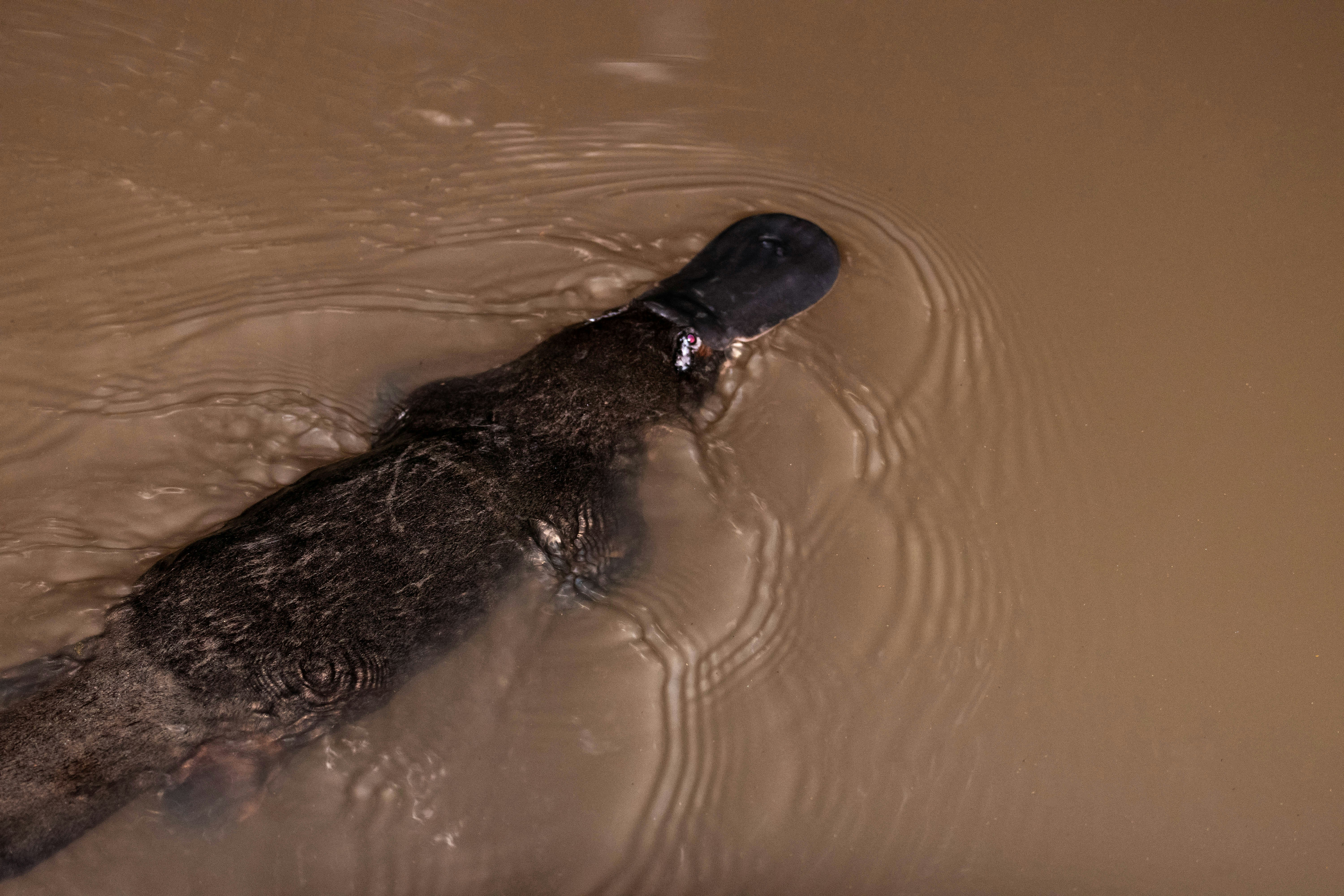
The platypus is a biological puzzle. Early European scientists even thought it was a hoax when they first saw it. This unique animal is native to eastern Australia and Tasmania and challenges our understanding of mammals.
With its duck-like bill, webbed feet, and beaver-like tail, the platypus looks like a creature made from spare animal parts. However, each part of its body has a specific evolutionary role. For example, the bill isn’t just for appearance; it’s a sensitive organ that detects the electrical signals of prey like worms, insect larvae, and small crustaceans underwater.
Unlike most mammals, the platypus is venomous. Males have spurs on their hind legs that can deliver a painful toxin to rivals during the breeding season. This makes it one of the few venomous mammals on Earth.
Even though it lives in water, the platypus spends a lot of time in burrows along riverbanks. It forages at night, diving for food with its eyes, ears, and nostrils closed. It relies completely on its bill’s electroreception and touch sensors to find prey. Amazingly, it can dive hundreds of times each night.
One of the strangest features of the platypus is its reproductive system. Females lay one to three leathery eggs and incubate them in a special nesting burrow. Once the eggs hatch, the young are fed with milk that oozes from the mother’s skin since platypuses do not have teats.
In terms of conservation, platypuses are increasingly at risk due to habitat loss, pollution, and climate change. Droughts, in particular, are drying up their freshwater habitats. They are not yet endangered but are classified as near threatened and are closely monitored by conservation groups.
Mysterious, ancient, and endlessly interesting, the platypus serves as a powerful reminder of nature’s creativity and the unique evolutionary paths taken in the animal kingdom.
🌴 Jungle Chatter
Most popular reactions:
No reactions yet.