Tree Frogs: Masters of Camouflage
Category: Amphibians | June 14, 2025
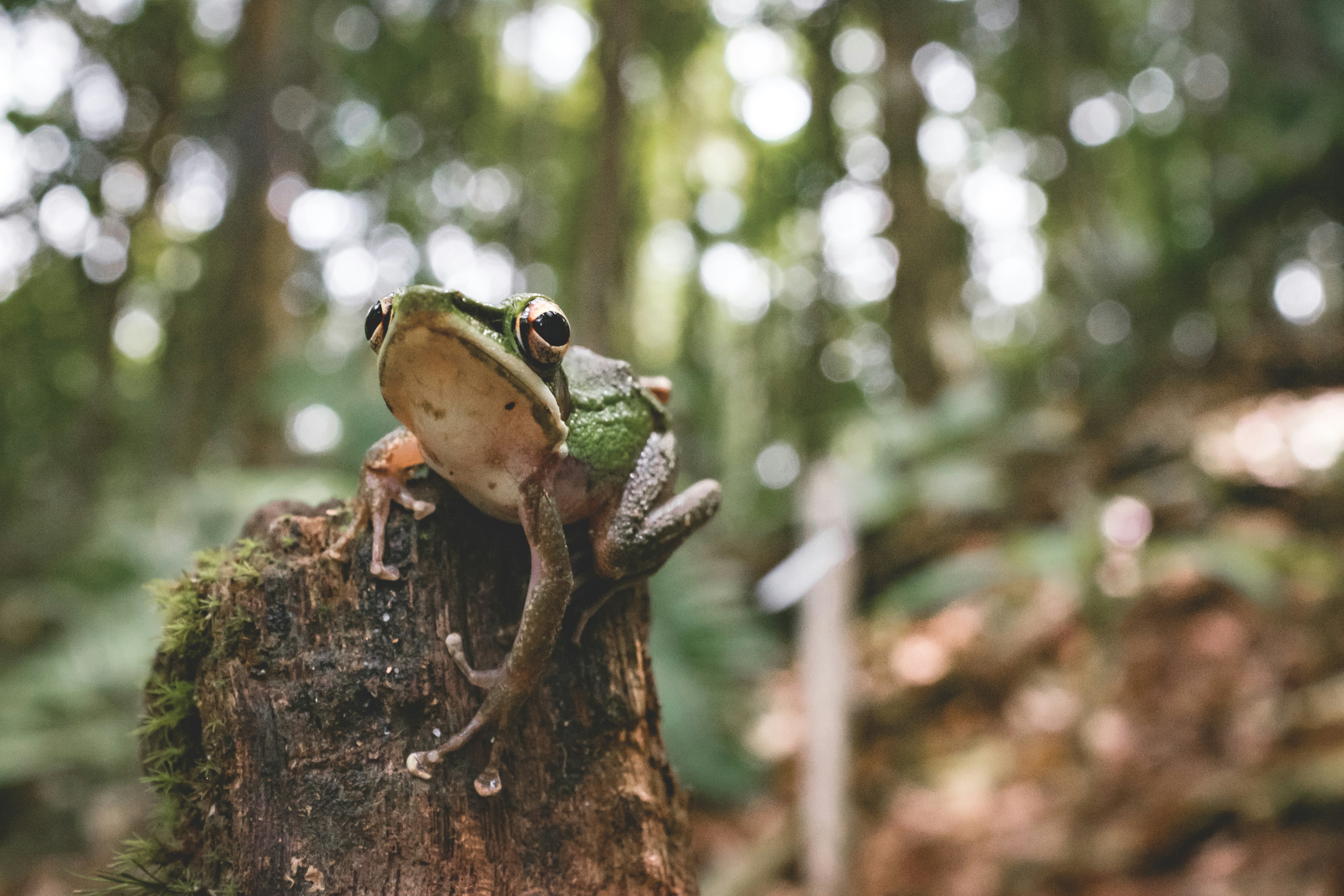
Perched quietly on leaves and easily overlooked, tree frogs excel at hiding. These nimble amphibians have developed a remarkable range of skills to blend into their forest homes, often escaping the notice of both predators and prey.
One of their most notable traits is their skin's ability to change color. While not as striking as chameleons, many tree frog species can alter their shades depending on temperature, humidity, light, and mood. This color change helps them match their environment—dark green on lush leaves, brown on bark, and even gray on stone.
Their camouflaging skin often features mottles or patterns that mimic the textures of leaves, bark, or moss. These designs disrupt their body shape, making it tougher for predators like birds and snakes to spot them. Some species possess translucent skin or spots that look like water droplets or leaf damage.
Tree frogs also use behavior to improve their disguise. During the day, they pull their limbs close to their bodies and flatten out to minimize shadows. They often rest in crevices or underneath leaves, remaining still until nightfall. Their eyes, which can be bright at night, may be partly closed or covered during the day to avoid being seen.
In some areas, tree frogs take mimicry a step further. Certain species look like bird droppings, lichen, or even leaves with curled edges. This “disguise” helps them escape hungry predators in the competitive rainforest ecosystem.
Camouflage also supports their hunting efforts. As ambush predators, tree frogs wait calmly for insects to come within reach. Their stealth, combined with long sticky tongues, makes them effective nighttime hunters.
🌴 Jungle Chatter
Most popular reactions:
No reactions yet.